Indirect Tax
Indirect Tax, Import VAT and the Customs-Finance Bridge
Import VAT, PVA-style operating models, fiscal representation, fixed-establishment adjacency and the governance layer linking customs, tax, finance and live cross-border execution.
Why indirect tax belongs inside cross-border operating design
Import VAT and customs are often discussed together only after something has already gone wrong in the books, in the declaration flow or in the documentary file.
In reality, the same shipment can create customs, VAT, accounting and operating consequences at once. Customs procedure, Incoterms, importer-of-record logic, proof of movement, fiscal representation, postponed-accounting mechanics and year-end commercial adjustments all affect whether the flow remains coherent from border release to finance close.
CSA Nexus positions indirect tax here as a governance and operating topic, not as a disconnected compliance list. The real question is who owns the logic, how the evidence moves across functions and whether the business can explain the same transaction consistently to customs, finance, tax and audit.
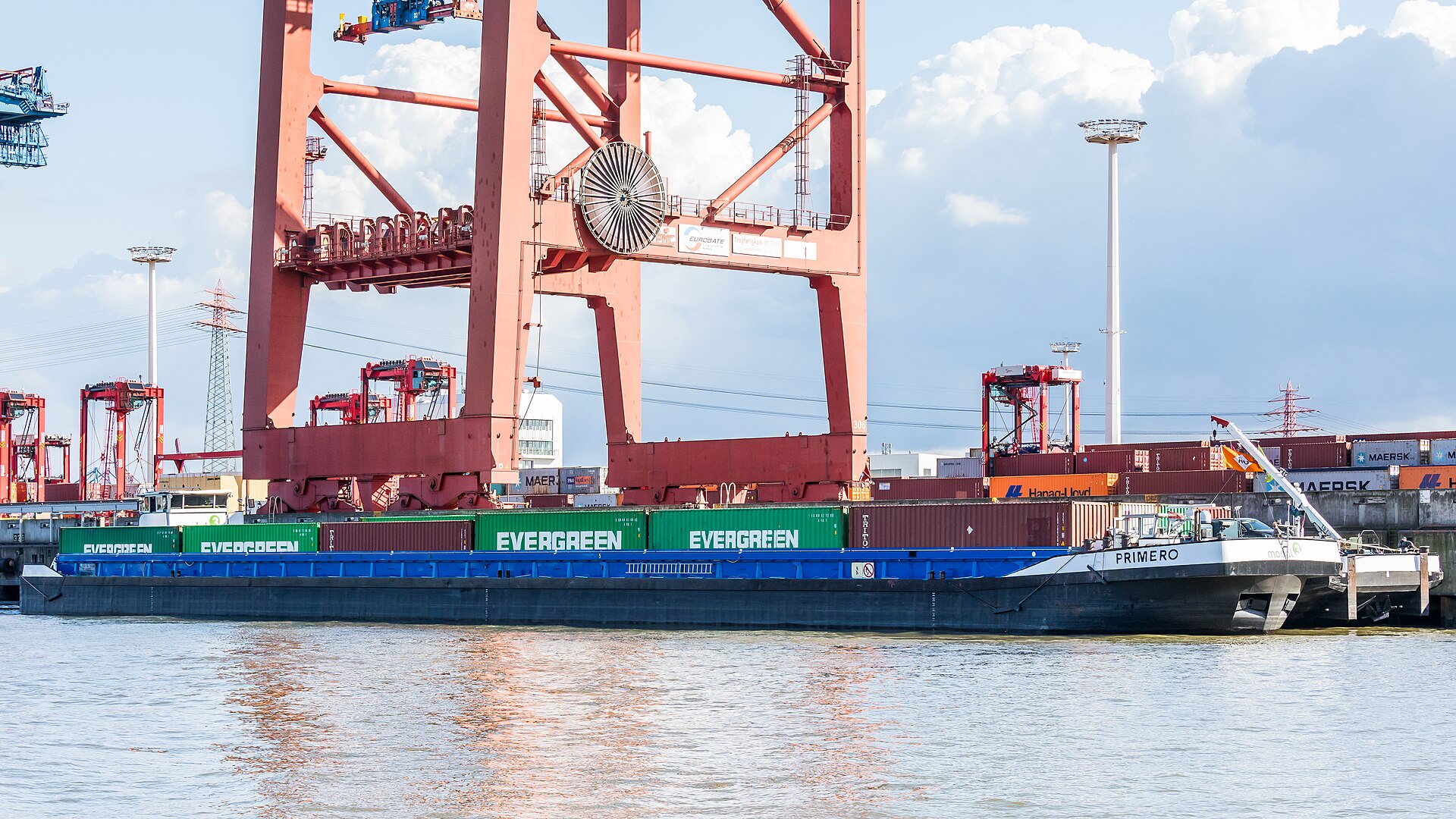
Import VAT issues rarely start in VAT alone.
They usually begin with an operating model that leaves customs, finance, tax and broker instructions reading different versions of the same movement.
Core workstreams
The practical aim is to make the border tax outcome explainable, defendable and easier to reconcile with finance and operating reality.
Import VAT architecture
Review of importer role, customs procedure, postponed-accounting logic, recovery assumptions and proof requirements before the process hardens into recurring friction.
Finance and accounting bridge
Alignment of customs entries, VAT treatment, broker data, ERP postings and evidence retention so border events can still be read correctly at month-end and year-end.
Fixed-establishment and fiscal footprint
Support where warehousing, inventory models, local intervention or recurring sales patterns start raising FE, registration or fiscal-representation questions.
Customs-TP-VAT interaction
A clearer bridge between valuation, transfer-pricing adjustments, documentary packs and indirect-tax consequences across cross-border flows.
Why the customs-VAT question is often misdiagnosed
Teams often treat import VAT as a downstream posting problem, when the real issue started earlier with the transaction design. Who buys and resells? Who acts as importer? Which Incoterms and contracts control the movement? Is the customs procedure temporary, definitive, special-procedure based or linked to onward discharge? Those choices change the VAT logic long before finance receives the invoice and the entry data.
That is why we treat indirect tax as an operating-design layer: if the physical flow, the customs file and the accounting narrative are built separately, the business will spend more time reconciling than controlling.
What clients usually need from this mandate
Most mandates do not begin with a request for abstract VAT commentary. They begin with recurring import VAT leakage, uncertainty around postponed accounting, documentary proof that does not support zero-rating or recovery, FE concerns around local footprint, or tension between customs entries and finance records.
The value therefore lies in translating technical rules into a working ownership model: who validates the facts, who keeps the evidence, which controls stop a release, and how customs, tax and finance stop contradicting each other in the same corridor.
Operating model map
The strongest indirect-tax posture is rarely built inside tax alone. It depends on how the business allocates ownership across commercial, customs, finance and documentary teams.
| Decision point | What often goes wrong | What stronger governance changes |
|---|---|---|
| Importer and flow design | The customs actor, contractual buyer and VAT actor do not match cleanly, so recovery logic and documentary ownership become unstable later. | The operating model is defined up front with clearer importer-of-record logic, local tax posture and handoffs between customs, finance and commercial teams. |
| Import VAT treatment | Postponed accounting, deferment or immediate payment assumptions are applied inconsistently across brokers, legal entities and ERP postings. | The border tax outcome becomes more repeatable, with clearer instructions, data fields and reconciliation checkpoints. |
| Proof and evidence | MRN, CMR, proof of arrival, invoice logic and supporting transport evidence sit in fragmented folders and cannot support audit or recovery confidently. | The business gains a more durable evidence pack for returns, zero-rating support, customs review and internal control testing. |
| Finance reconciliation | Broker data, customs value, import VAT entries and general-ledger postings do not line up, so exceptions are found too late and handled manually. | Month-end and year-end become easier to close because customs events are translated into a structured finance narrative earlier. |
Order-to-cash and procure-to-pay control points
The customs-VAT bridge becomes more robust when it is tied to the transaction cycle instead of treated as a border-only afterthought.
Sell-side discipline
VAT IDs, place-of-supply logic, proof of movement, chain-transaction checks and zero-rate support need to align with customs and transport evidence.
Buy-side discipline
Supplier onboarding, import profiles, documentary controls and invoice-to-entry matching determine whether the import VAT story holds later.
Exception management
Manual overrides, late proofs, missing MRNs and broker corrections should generate a visible queue rather than disappear into local email chains.
Finance close rhythm
Reconciliation between returns, GL, customs entries and supporting evidence should be designed as a routine, not a rescue exercise.

Border tax quality becomes visible at month-end.
Import VAT, deferment logic and recovery assumptions only look stable if the customs event can still be read cleanly in finance and tax records afterwards.
Procedure choice and indirect-tax outcome
The customs procedure selected for the movement can materially reshape the VAT and evidence result. That is why procedure design and tax logic need one conversation.
| Flow type | Typical indirect-tax implication | What needs to be controlled |
|---|---|---|
| Definitive import for local use | Import VAT and related recovery logic need to track the actual importer, local registration position and documentary support. | Importer profile, declaration data, VAT evidence, purchase flow and accounting treatment. |
| Temporary admission or inward processing | Deferred or altered border tax consequences may depend on discharge discipline, time limits and evidence of compliant use or re-export. | Procedure conditions, guarantee logic, discharge evidence and link to later movement records. |
| Call-off or local stock model | Import and onward domestic or cross-border VAT logic can become unstable if legal-entity roles and movement proofs are not tightly governed. | Contract model, warehouse logic, proof of movement, local tax posture and FE-sensitive facts. |
| Intercompany movement with later TP adjustment | Customs value, import VAT and transfer-pricing outcomes may diverge unless the adjustment mechanism is translated into customs and tax terms. | Pricing clauses, adjustment evidence, customs correction path and finance ownership. |
Postponed VAT accounting
Useful only when the legal entity, customs data, broker instructions and ERP treatment are aligned tightly enough to avoid false comfort.
Fiscal representation
Needs a sharper decision than many businesses expect because it changes responsibility, evidence flow and the resilience of the local operating model.
Fixed-establishment adjacency
Warehousing, stock, local teams and recurring intervention can create patterns that deserve a more deliberate FE review before they become structural.
Evidence and ownership matrix
Indirect tax fails most often where nobody owns the bridge between data creation, border execution and finance interpretation.
| Evidence item | Primary owner | Why it matters |
|---|---|---|
| MRN, declaration extract and procedure code | Customs / broker interface | Anchors the legal border event and supports the later VAT, accounting and corrective narrative. |
| Commercial invoice, Incoterms and pricing support | Finance / commercial / tax | Explains who bought, who sold and how value, VAT and customs assumptions were meant to work. |
| Proof of movement and arrival | Logistics / operations | Supports zero-rating, corridor evidence, exception handling and audit defence where transport facts matter. |
| ERP posting and reconciliation file | Finance / accounting | Keeps border tax outcomes visible during return preparation, month-end close and later review. |
Why this matters commercially
A cleaner customs-VAT-finance bridge reduces repeated corrective work, lowers audit friction and makes cross-border growth less dependent on local improvisation.
Where it connects
This layer connects directly to customs valuation, transfer pricing, special procedures, origin, product release logic and the wider operating model.
How clients usually engage it
As a bounded review, an operating-model diagnostic, a remediation workstream or a retained bridge between customs, finance, tax and management teams.
Indirect tax as the finance bridge between customs value, TP and reporting logic
Import VAT and cross-border VAT governance are often where customs, transfer pricing and the finance close finally collide. That is why the indirect-tax layer needs to explain not only the tax rule, but also the evidence path, the accounting interpretation and the management narrative that follows.
Transfer-pricing adjacency
Where intercompany pricing moves after import, the indirect-tax story should already know who owns the importer profile, the customs correction path and the import-VAT interpretation.
IFRS and close-cycle coherence
IAS 12 disclosures, timing differences and finance-close explanations become easier when the border event, the VAT treatment and the corrective narrative were designed together rather than reconstructed later.
Pillar Two awareness
For in-scope groups, GloBE readiness is not a reason to overclaim. It is a reason to keep data lineage, entity roles and evidence discipline strong enough that customs, VAT and finance do not produce conflicting jurisdiction stories.
| Finance-bridge question | What a weak model looks like | What a stronger model delivers |
|---|---|---|
| Can the business explain import VAT from transaction design to ledger posting? | Broker instructions, customs values and VAT postings are all technically present but tell different versions of the same flow. | The business can trace one transaction through importer logic, customs entry, VAT treatment, ERP posting and supporting evidence without improvisation. |
| What happens when TP or pricing changes late? | The VAT team discovers the adjustment after customs and finance have already closed the period under different assumptions. | The correction path is anticipated, with agreed owners for customs treatment, VAT review, accounting entries and documentation retention. |
| Is the reporting narrative robust enough for audit and governance? | Local explanations are rebuilt ad hoc, and month-end close depends on manual memory rather than structured evidence. | The finance story stays readable across customs, tax and reporting, with clearer support for management review, disclosure needs and later authority questions. |